Overview
This case study reflects on how my understanding of game production developed across two client projects. While Slackers strengthened my technical skills as a developer, Quebec Underground introduced me to planning, task management, communication and project coordination.
Together, both projects helped me understand how production decisions affect scope, teamwork, communication, testing and final project quality.
Early Client Project: Slackers
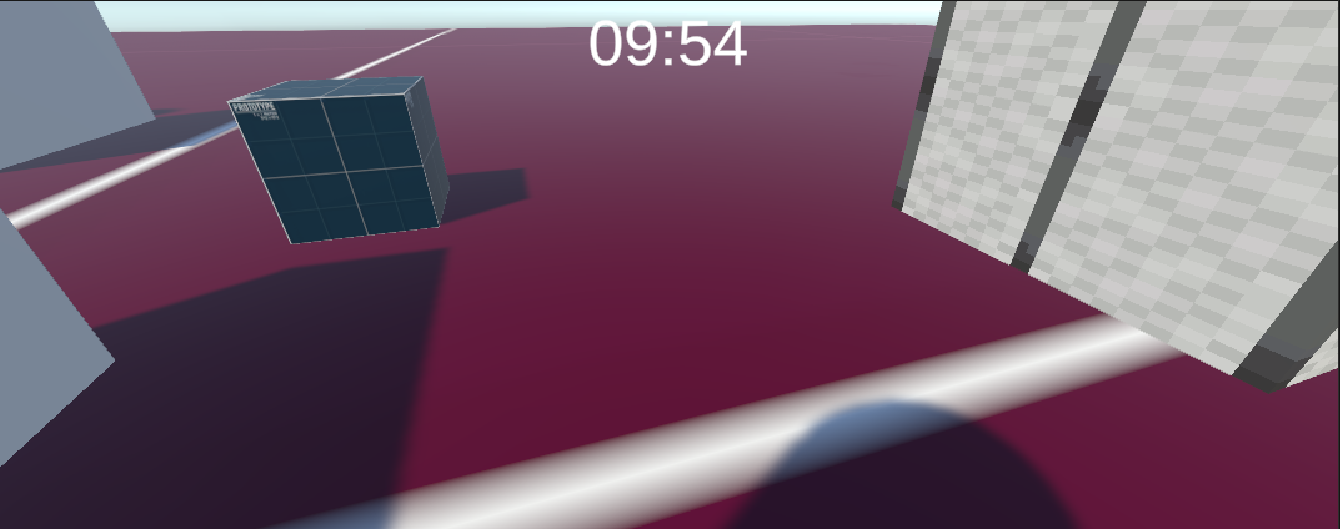
Slackers was a humorous sabotage prototype where players controlled alien characters infiltrating a human workplace. My role focused mainly on gameplay programming, technical implementation and supporting team workflow.
- Created gameplay interaction systems.
- Worked on sabotage mechanics and object interactions.
- Used Unity and C# for implementation.
- Supported workflow through GitHub, Discord and planning sessions.
- Learned the importance of scope management and early testing.
Applying Production Practices: Quebec Underground
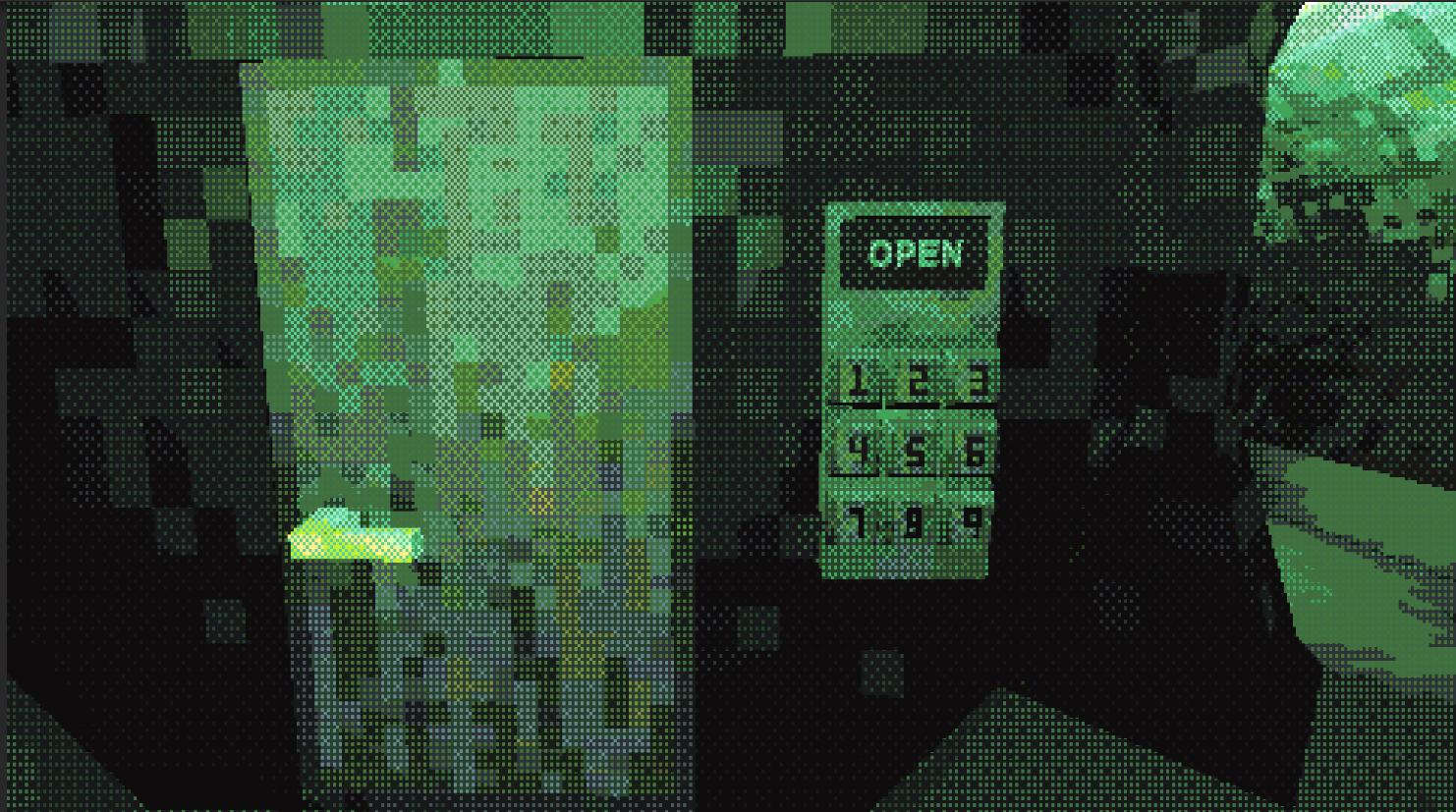
Quebec Underground shifted my role toward production and project organisation. The game focused on survival horror, evasion and an unkillable AI creature.
- Helped organise tasks using Ora.
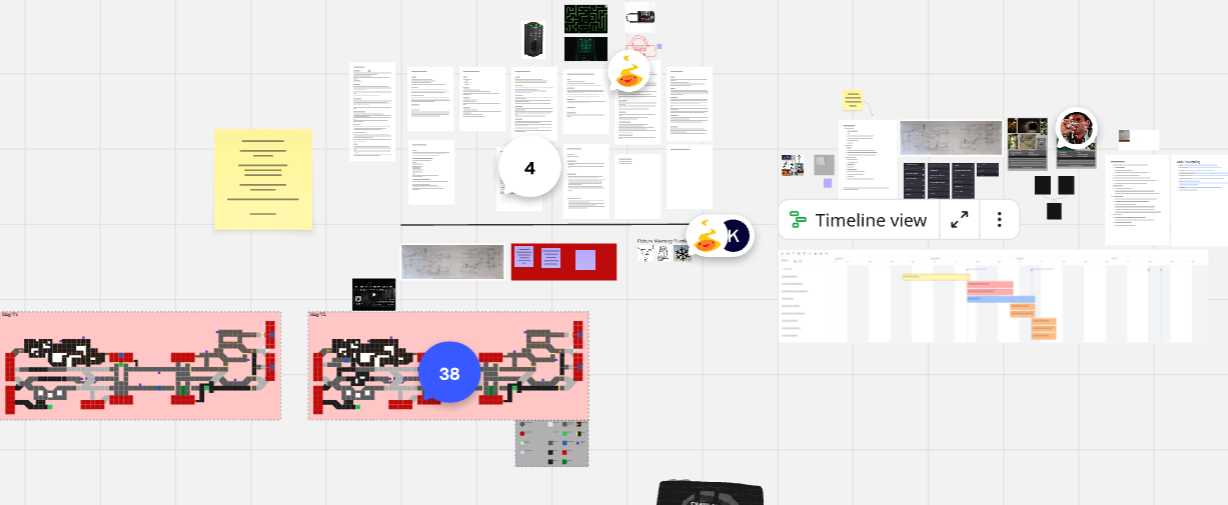
- Supported brainstorming and planning through Miro.
- Worked on documentation and team communication.
- Contributed to gameplay implementation inside Unity.
- Gained experience coordinating planning, documentation and team communication.
Production Lessons
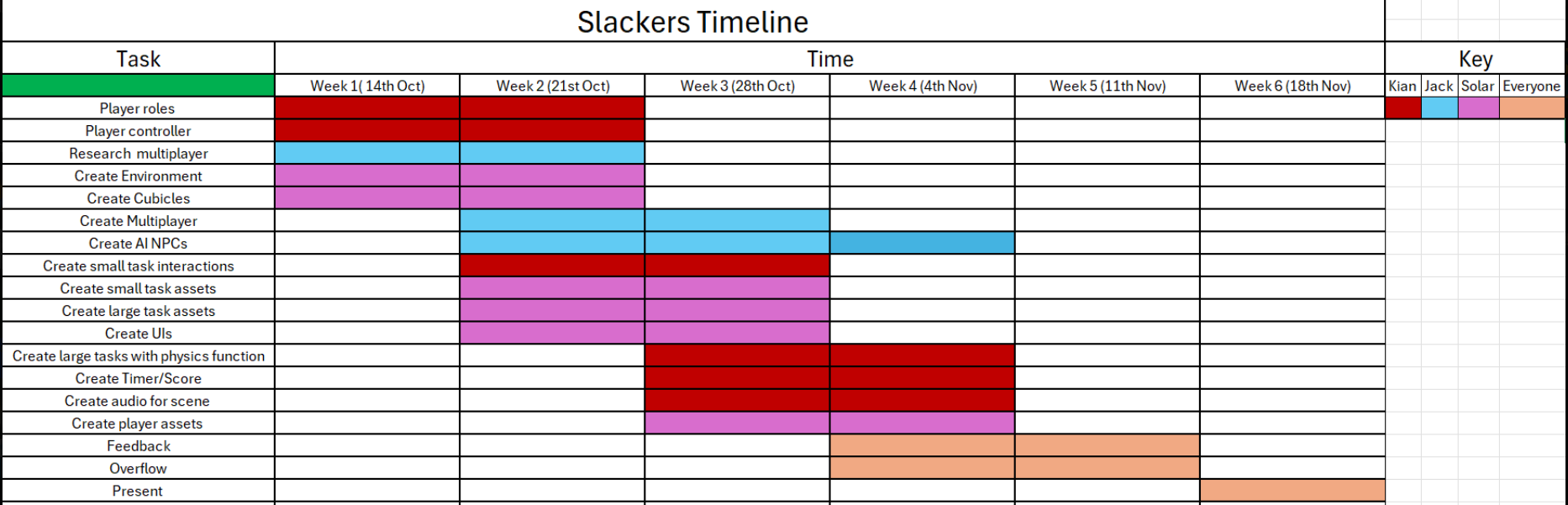
Slackers showed me the importance of realistic scope and early testing. Multiplayer implementation became a major challenge and reduced time for balancing and iteration.
Quebec Underground showed stronger production structure through clearer task tracking, documentation and communication. It helped me understand how producers support teams by making priorities visible and adapting when production changes.
Key Production Areas
Planning & Backlog Management
Across both projects I became more confident breaking large goals into manageable tasks, tracking progress through Ora and helping teams maintain visibility of priorities.
Communication
Regular discussions with teammates, clients and collaborators highlighted the importance of clear communication and shared expectations throughout development.
Scope Control
Slackers demonstrated how ambitious technical goals can affect schedules, while Quebec Underground reinforced the value of prioritisation and realistic planning.
Iteration
Feedback, testing and regular reviews helped guide development decisions and improve the quality of the final projects.
How These Projects Shaped My Interest in Production
Looking across both projects, I can clearly see a shift in my interests and responsibilities. While Slackers strengthened my technical development skills, Quebec Underground gave me greater exposure to planning, communication, documentation and project coordination.
The experience showed me that successful game development depends not only on creating features, but also on helping teams stay organised, informed and aligned around shared goals.
This is what sparked my interest in game production and continues to motivate me as I seek placement opportunities within the games industry.
Development Highlights